Shopping has always been a part of everyday life in Janakpuri. For years, residents have depended on nearby street markets for almost everything—vegetables, groceries, medicines, clothes, tailoring, and food. These markets were built to serve people living close by, making daily shopping easy and familiar.
Over the last few years, however, the shopping landscape in Janakpuri has started to change. Mini-marts, branded grocery stores, pharmacy chains, bakeries, cafés, and convenience stores have slowly become part of the neighborhood. These stores offer a different kind of shopping experience—clean interiors, fixed pricing, digital payments, and organized shelves.
In 2026, residents are not asking whether street markets will disappear or retail stores will take over. Instead, the real question is more practical: where are people actually spending more money today, and why?
This blog takes a closer look at how shopping habits in Janakpuri are changing. It explores the role of street markets, the growth of retail stores, how different age groups shop, what influences spending decisions, and what the future of local shopping looks like.
Street Markets: The Foundation of Janakpuri’s Shopping Culture
Street markets are deeply rooted in Janakpuri’s identity. Almost every block has a market that residents rely on for daily needs. These markets were designed to be walkable and accessible, ensuring that no household needed to travel far for essentials.
The most common shops found in these markets include kirana stores, fruit and vegetable vendors, milk booths, pharmacies, tailors, dry cleaners, cobblers, and small eateries. For many residents, visiting these markets is part of their daily routine rather than a planned activity.
One major reason street markets remain strong is habit. Families have been buying from the same shops for decades. Trust has been built over time, and this trust often matters more than price or presentation. Shopkeepers remember customer preferences, offer advice, and sometimes extend credit during difficult times.
Another key factor is freshness. Fruits and vegetables sold by street vendors are usually sourced daily. Customers can touch, check, and choose what they want. This level of control gives buyers confidence, especially when cooking daily meals.
Street markets are also social spaces. People meet neighbors, exchange news, and feel connected to the area. This emotional connection keeps residents coming back even as other options grow.
Retail Stores: A Growing Presence in Janakpuri
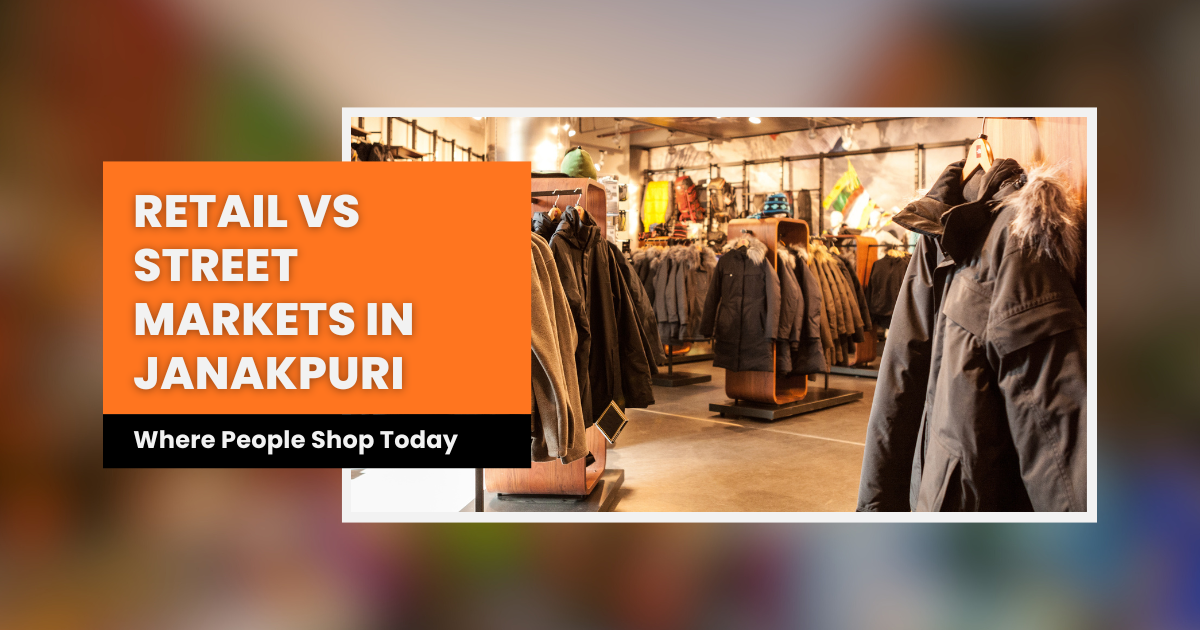
Retail stores have expanded steadily across Janakpuri. Small supermarkets, branded grocery chains, pharmacy outlets, bakeries, and cafés are now part of most market areas. These stores cater to residents who prefer a structured and time-efficient shopping experience.
One of the biggest advantages retail stores offer is organization. Products are neatly displayed, prices are fixed, and billing is quick. For people with busy schedules, this saves time and reduces effort.
Cleanliness is another strong reason people choose retail stores. Air-conditioned spaces, proper storage, and hygiene standards matter more today than they did in the past. Many residents feel more comfortable buying packaged foods and personal care items from these stores.
Retail stores also promote digital convenience. Card payments, UPI, digital receipts, loyalty programs, and app-based ordering are common. Some stores offer scheduled delivery, which fits well with modern lifestyles.
Because of these features, retail stores often see higher spending per visit, even if people visit them less frequently than street markets.
Daily Spending vs Monthly Spending: A Clear Divide
One of the most important changes in 2026 is how residents divide their spending.
For daily shopping, street markets still dominate. Vegetables, fruits, bread, milk, and small grocery items are usually bought daily or every alternate day. Residents prefer nearby vendors for these purchases because they are quick and convenient.
For monthly or bulk shopping, retail stores are becoming more popular. Items like packaged foods, cooking oils, personal care products, cleaning supplies, and specialty items are often purchased in larger quantities from organized stores. These purchases involve higher bills, which increases overall spending at retail outlets.
This split explains why retail stores may appear busier in terms of revenue, even though street markets see more frequent visits.
Food Spending: Street Food vs Cafés
Food habits in Janakpuri have also changed.
Street food vendors still attract large crowds, especially in the evenings. Chaat, momos, rolls, and snacks remain affordable and popular across age groups. These stalls benefit from high footfall and repeat customers.
At the same time, cafés, bakeries, and takeaway outlets are growing rapidly. Younger residents and families often spend more on these places, especially on weekends or social outings. Although these visits are less frequent, the amount spent per visit is usually higher.
As a result, food spending is now divided between traditional stalls and modern outlets.
How Different Age Groups Spend Their Money
Shopping behaviour in Janakpuri varies strongly by age.
Senior Citizens
Older residents rely heavily on street markets. They value familiarity, trust, and walking distance. For them, shopping is also a daily routine and social interaction.
Middle-Aged Residents
This group uses a mix of both formats. Daily needs come from street markets, while branded or bulk items are purchased from retail stores. Convenience and reliability guide their spending.
Younger Residents
Working professionals and younger families lean more toward retail stores. Busy schedules, preference for packaged food, and digital payments influence their choices. Cafés and modern outlets see higher spending from this group.
Pricing: Are Street Markets Really Cheaper?
The idea that street markets are always cheaper is slowly changing.
Street markets still offer flexibility in quantity and pricing, which suits daily shoppers. However, organized retail often provides discounts, combo offers, and loyalty benefits that reduce costs for bulk purchases.
Retail stores also encourage higher spending by promoting deals and convenience, even when prices are similar.
This pricing balance keeps both formats competitive.
Impact on Local Shop Owners
Local shop owners are not standing still. Many street vendors have adapted by accepting digital payments, improving display, and offering home delivery. WhatsApp ordering has become common.
Retail store owners focus on branding, consistency, and customer experience. Both sides are learning from each other, raising overall market standards.
Infrastructure and Location Matter
Markets near metro stations and main roads see higher spending. Accessibility directly affects footfall and sales.
Parking issues influence where people make larger purchases. Retail stores with better access often benefit more from bulk shopping.
What This Means for Janakpuri’s Local Economy
The coexistence of street markets and retail stores strengthens the local economy. Money stays within the neighborhood, supporting jobs and small businesses.
Retail stores are not replacing street markets—they are adding new options.
The Future of Shopping in Janakpuri
The future lies in a hybrid model. Street markets will continue to handle daily needs, while retail stores manage bulk and lifestyle purchases.
Technology, service quality, and cleanliness will decide success for both.
Conclusion
So, where are residents spending more today in Janakpuri?
Street markets still dominate daily spending, while retail stores attract higher-value purchases. Both play important roles, and neither is disappearing.
This balance is what makes Janakpuri’s markets strong, adaptable, and deeply connected to community life. As long as residents continue supporting local businesses, Janakpuri’s shopping culture will keep evolving—without losing its soul.